Your first trip together as a couple in your 40s
A first trip together shows you how someone handles delays, money, sleep and a whole day in your company. Research on couples' vacations and on sleep points to what tends to go right, and dating coaches have views on timing. Here's how to plan one at this stage of life.
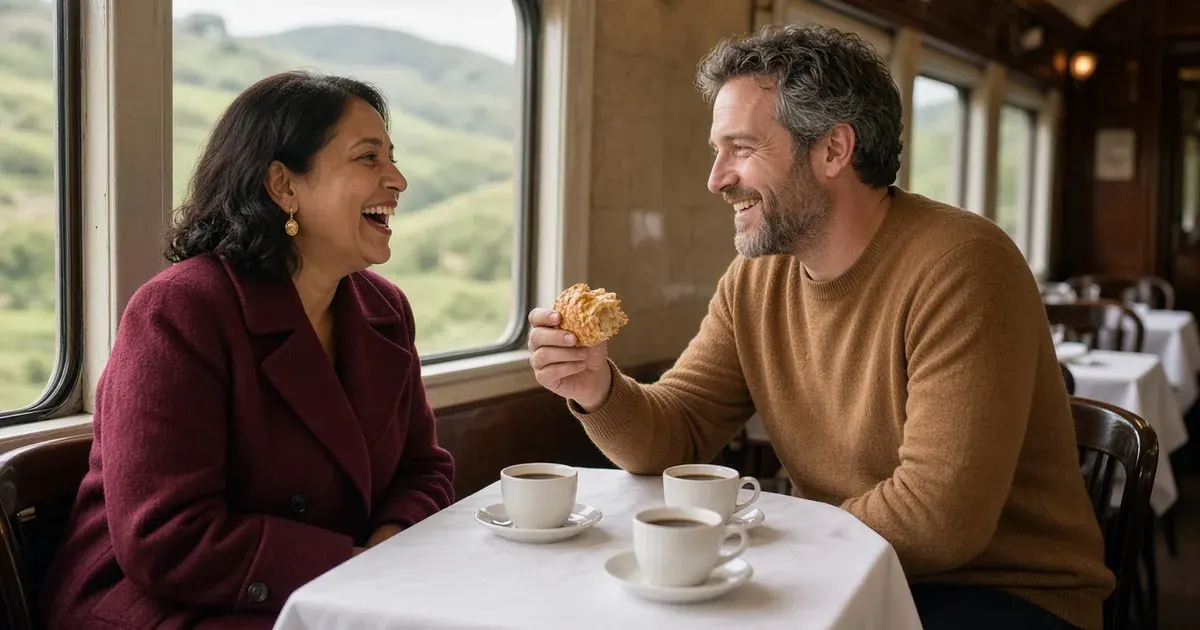
By your 40s, a trip isn’t only a romantic gesture. It’s logistics: someone’s covering the kids, the dog, the work inbox. So it’s worth knowing what the research and the coaches suggest before you book.
How soon is too soon?
There’s no study pinning down the right month. Dating coaches have opinions, though. Jeanne Sullivan Billeci told Newsweek she’d wait at least three months and keep the first trip short, like a weekend getaway.4 Relationship coach Nash Wright put it plainly: most couples don’t need a trip in the first three months.4
At this age, with fuller calendars, a short trip also asks less of everyone back home.
What makes a trip good for the relationship
A 2024 study by John Coffey, Arthur Aron and colleagues looked at couples’ vacations through what psychologists call self-expansion: novel, interesting, a little challenging. People whose vacations were more self-expanding reported more romantic passion and higher relationship satisfaction afterward, but only when they’d traveled with their partner.1 In a second sample of couples who traveled together, those experiences went with more physical intimacy afterward.1
So the beach-and-nothing trip may be relaxing, but adding something new to do together seems to be what feeds the relationship.
A 2016 study points the same way from another angle: couples’ satisfaction with their vacations helped explain how committed they felt to each other, alongside overall relationship satisfaction.2
Both are associations from surveys. A good trip and a good relationship may simply travel together.
Protect your sleep
This sounds unromantic, and it matters. In a two-week diary study, people reported more conflict with their partners after nights of poor sleep.3 When couples were brought into a lab, one partner’s bad night went with less positive emotion and less accurate empathy from both partners during a disagreement. Conflicts got resolved most when both people had slept well.3
Anything that costs you sleep, like a red-eye or a noisy room, works against you on that front. Plan around it.
A planning list for this stage
- Keep the first one short. Sullivan Billeci suggested a weekend getaway for a first trip.4
- Build in one new thing. A class, a hike you haven’t done, a city neither of you knows. That’s the ingredient tied to passion afterward.1
- Book for sleep. Daytime travel and a quiet room are cheap insurance against tired arguments.3
The rest is yours to work out together: who pays for what, and who’s covering the kids or the dog while you’re gone. The checklist above is a quick way to see what’s still open.
Wondering how much time together is normal at this point? Our guide on how often couples see each other in their 40s covers that.
Try it
Which of these are true for the two of you?
People who talk about this
- Credentialed source
Eli J. Finkel
Research on how modern marriage and long term relationships work, and what partners expect from each other.
- Credentialed source
- Trending voice
Julie Menanno
How couples get stuck in conflict cycles and how to feel secure with a partner.
- Credentialed source
Justin J. Lehmiller
Research on sex, desire, casual relationships and friends with benefits.
- Credentialed source
Lori Gottlieb
What happens in the therapy room, including breakups, dating choices and the stories people tell about love.
Further reading
Pew Research Center, 2020
Dating and relationships: Key findings on views and experiences in the US (opens pewresearch.org)National survey data on how American adults feel about dating today, including why many say it has gotten harder.
The Gottman Institute
How to Stop Detached Dating and Create Real Connection (opens gottman.com)Explains why dating can feel guarded and transactional, and how to show up with more openness.
Sources
- Couples vacations and romantic passion and intimacy
- Travel as Relationship Therapy: Examining the Effect of Vacation Satisfaction Applied to the Investment Model
- The Role of Sleep in Interpersonal Conflict: Do Sleepless Nights Mean Worse Fights?
- Benefits and Risks of Traveling as New Couple: Relationship Experts Explain